
Kilimanjaro Costs, Time & Mental Limits: What to Really Expect
Climbing Kilimanjaro starts long before choosing a route. An honest guide to discussing the plan, defining personal limits, managing risk and setting realistic expectations.
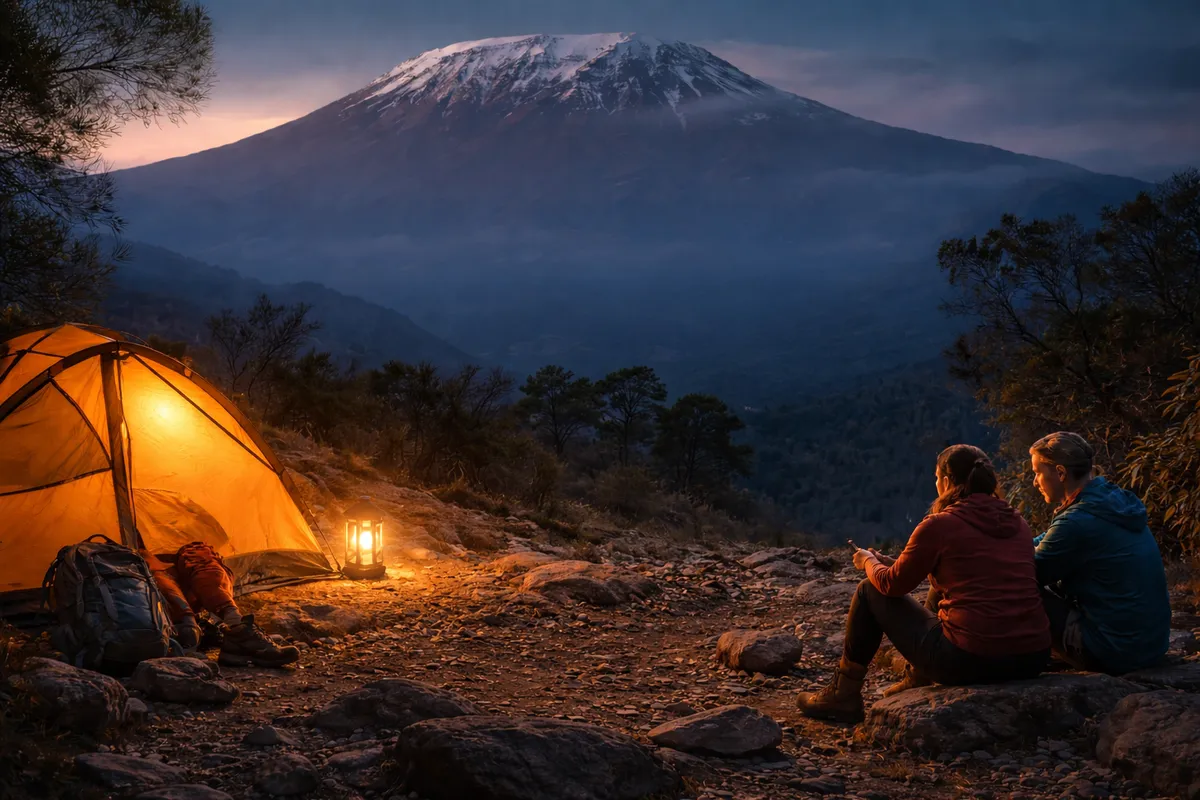
The moment it becomes real
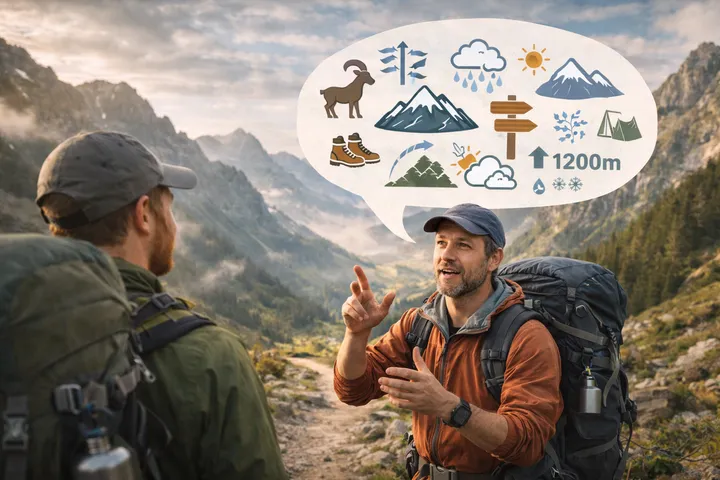
At some point, there comes a moment when a thought no longer belongs to you alone.
I told my family.
Not with pathos or grand words—rather, cautiously.
I'm considering climbing Kilimanjaro.
Their reactions were honest.
No panic, but palpable concern.
Questions about risk, health, and the point of it all.
And as I explained, I realised:
I wasn't just explaining it to them—I was explaining it to myself.
For the first time, I clearly named my own fears:
- the altitude
- failure
- the question of whether I was fooling myself
I started writing down my limits. In black and white.
- Time: How much preparation is realistically possible?
- Money: What feels responsible?
- Energy: What can I truly manage alongside everyday life, work, and family?
I ordered books.
I read accounts that weren't heroic, but honest.
I watched videos of people who turned back—and made the right decision precisely because of that.
From that day on, one thing was clear:
This is no longer just a dream.
It is a project with consequences.
A guide: Before you plan—clarify these things for yourself
If you're considering climbing a high mountain such as Kilimanjaro yourself, don't start by starting with routes or gear.
Start here.
1. Talk early to the people who are supporting you—even if they aren't coming along
Family, partners, close friends:
They are part of the journey, even if they aren't standing on the mountain.
Why this matters:
- Worries will come later anyway—for you and those close to you—so it is better to address them early and openly
- Support comes from transparency, not from springing it on people
- Some doubts only become visible in conversation
Rule of thumb:
If you can't explain it, you don't fully understand it yourself yet.
2. Clearly distinguish between fear and respect
Fear is vague.
Respect is specific.
Write this down:
- What exactly am I afraid of?
- What of it can I influence?
- What of it do I accept as a risk?
Example:
- “I'm afraid of the altitude” → respectful
- “I ignore symptoms to reach the summit” → dangerous
Important:
Respect protects you.
Denial puts you in situations you can no longer get out of safely.
3. Define your personal “why”—without Instagram
Not:
- Because others have done it
- Because it sounds impressive
- Because the watch or app says so
But rather:
- What do I want to take away from this for myself?
- What does success mean—even without the summit?
- Would turning back mean failure to me, or a decision?
Practical tip:
Phrase your goal so that it does not depend on reaching the summit.
4. Set realistic parameters
Before comparing providers, clarify:
- maximum budget
- maximum time away
- preparation time (training, organisation, mental preparation)
Why this is crucial:
- Many decisions become easier later on
- Marketing loses its power
- You compare offers against your own benchmark, not their promises
5. Don't consume success stories alone
Also read:
- accounts of turning back
- doubts
- medical incidents
- honest “I wouldn't do it that way again” stories
These accounts aren't pessimism.
They are guidance.
My most important lesson from those days
- Kilimanjaro isn't hard because it is high.
- It is hard because you have to face yourself honestly before and during it.
And that's exactly what I did for the first time in those days.
Join the conversation
Become a member of One More Step to leave a comment.